If I could recommend just one skincare product to absolutely everyone, it would be SPF.
Whether your goal is preventing premature ageing, treating pigmentation, protecting your skin after aesthetic treatments or simply keeping your skin healthy for years to come, sunscreen is the single most important product you can use.
The problem? Most people think applying SPF once in the morning is enough. Unfortunately, it isn’t.
At Glowing by Leah, we spend every day helping clients improve pigmentation, reduce signs of ageing and achieve healthier skin. One of the biggest reasons treatments don’t deliver their full potential is because SPF isn’t being used correctly.
Let’s break down exactly why it matters.
Why Should You Reapply SPF Every 2–3 Hours?
Applying SPF in the morning is a fantastic start, but it shouldn’t be the end of your sun protection.
Throughout the day your sunscreen naturally becomes less effective. UV rays gradually break down the protective filters, meaning the level of protection you’re relying on slowly decreases. On top of that, everyday life removes SPF from your skin far more than people realise.
Simply touching your face, wearing glasses, resting your chin on your hand, sweating, exercising or even sitting in the car can reduce your protection. If you’ve been swimming or perspiring, this happens even faster, regardless of whether your sunscreen is labelled as water-resistant.
Another common mistake is not applying enough in the first place. The SPF number on the bottle is based on a generous application, whereas most people use much less than they should. This means your actual protection is often lower than you think from the moment you apply it.
For that reason, we always recommend reapplying your SPF every 2–3 hours if you’re outdoors, driving regularly, sitting near windows or spending prolonged periods in daylight. It’s one of the easiest ways to protect your investment in your skin.

SPF 25, SPF 30 or SPF 50 – What’s the Difference?
One of the questions we get asked most is whether there’s really much difference between SPF ratings.
The answer is yes—but probably not in the way you’d expect.
SPF measures protection against UVB rays, the rays responsible for sunburn and one of the major contributors to skin cancer.
Here’s what each level filters:
- SPF 25 blocks around 96% of UVB rays.
- SPF 30 blocks around 97% of UVB rays.
- SPF 50 blocks around 98% of UVB rays.
At first glance those percentages don’t seem very different. However, over weeks, months and years, that small increase in protection can make a significant difference, especially if you’re prone to pigmentation, melasma or you’re investing in professional skin treatments.
Our Recommendation
For most people, an SPF 30 provides excellent daily protection.
However, if you’re treating pigmentation, melasma, rosacea, have recently had treatments such as chemical peels, microneedling or laser, or you simply burn easily, we almost always recommend SPF 50.
It’s also important to remember that no sunscreen blocks 100% of UV rays. That’s why reapplying regularly, seeking shade where possible and wearing hats or protective clothing are all part of looking after your skin.
Chemical vs Mineral SPF – Which Is Best?
Not all sunscreens work in the same way.
Chemical SPF
Chemical sunscreens absorb UV rays before they can damage your skin. They’re usually lightweight, invisible on the skin and work beautifully underneath make-up, making them a popular everyday option.
Mineral SPF
Mineral sunscreens contain ingredients such as zinc oxide or titanium dioxide, which sit on the skin and help reflect UV rays away from the surface.
These are often our preferred option for clients with sensitive skin, rosacea, pigmentation or anyone recovering from treatments, as they’re generally gentler and less likely to cause irritation.
Which One Should You Choose?
There isn’t a one-size-fits-all answer.
The best SPF is the one that’s suited to your skin, your lifestyle and your treatment plan.
If you’re one of our clients, we’ll always recommend products that complement your skin concerns and support the results you’re investing in. Sometimes that may be a mineral SPF, sometimes a chemical formula, and for many clients it’s a combination depending on the season and what their skin needs at that time.

Pigmentation Starts With Protection
One of the biggest misconceptions is that pigmentation treatments alone will solve the problem.
The reality is that without consistent SPF use, pigmentation can return surprisingly quickly. Even short periods of UV exposure can stimulate excess melanin production, undoing the progress you’ve made.
That’s why sun protection isn’t just another skincare step—it’s the foundation of every successful skin journey.
Whether we’re treating sun damage, melasma, post-inflammatory pigmentation or uneven skin tone, SPF is always at the centre of the treatment plan.
Ready to Improve Your Skin?
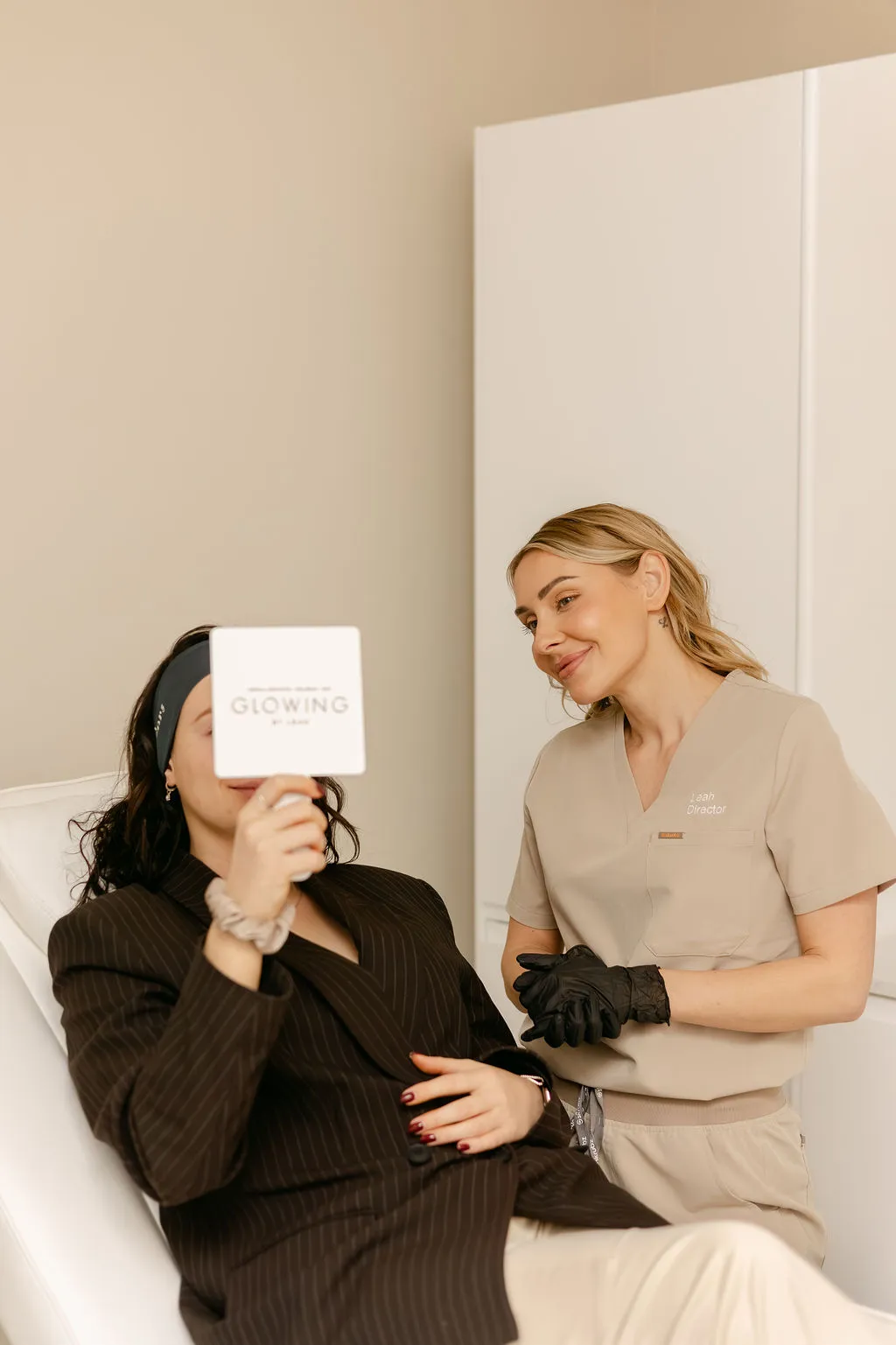
At Glowing by Leah, we create personalised treatment plans based on your skin, your concerns and your long-term goals.
If pigmentation, uneven skin tone or ageing skin is something you’d like to improve, we’d love to help.
Book a consultation with our team and let’s build a treatment plan that’s tailored specifically to you.
Choosing the right sunscreen can feel overwhelming with so many options available.
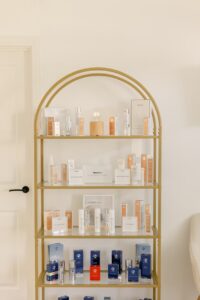
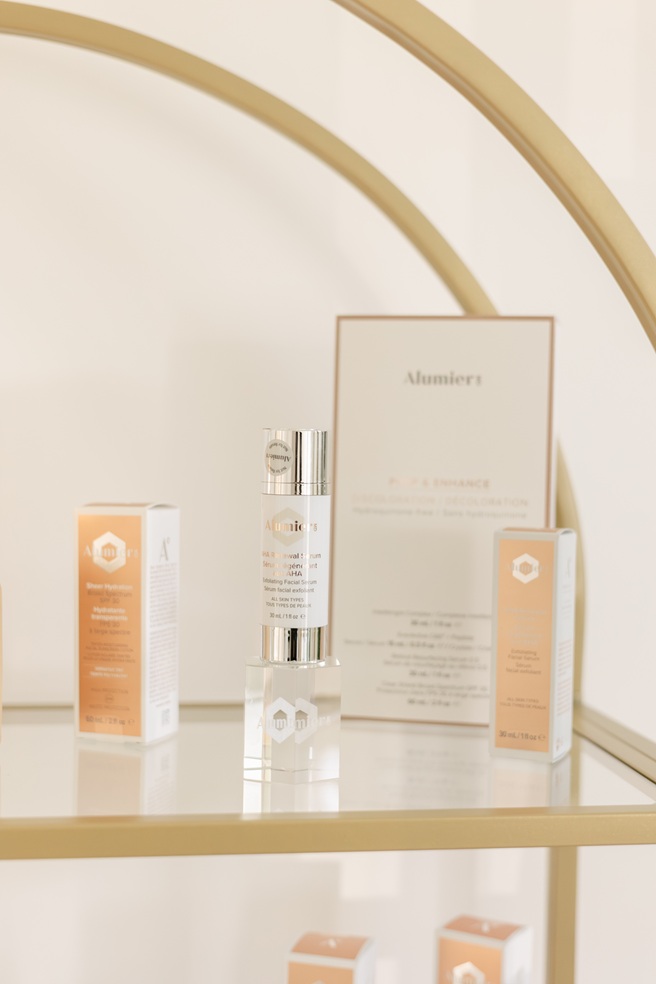
We’ve carefully selected professional-grade SPF products that we genuinely trust and recommend to our clients, whether you’re looking for an everyday sunscreen, something suitable after treatment or protection for sensitive skin.
Protect your skin. Protect your results. Protect your confidence.
Glowing by Leah | Stroud, Gloucestershire
Helping you achieve healthier, stronger, more confident skin through safe, results-driven medical aesthetics and personalised treatment plans.